
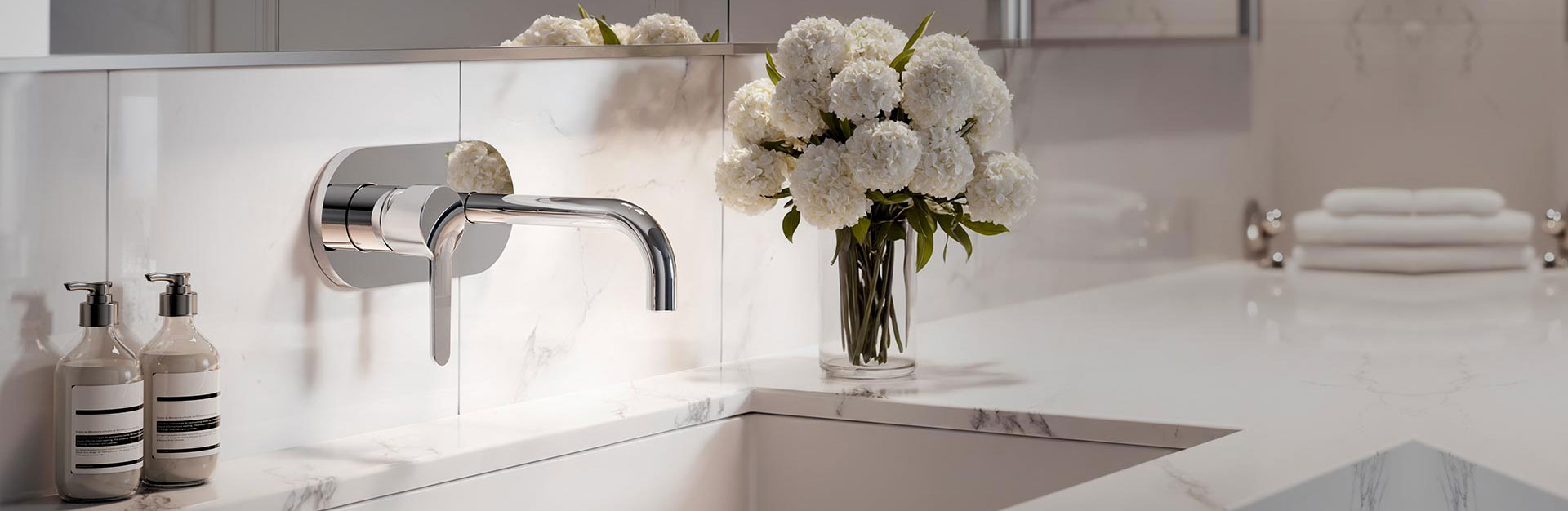
What Faucet Requirements Matter In Hospitality Projects?
Faucet selection is an important part of bathroom and kitchen planning for hotels, resorts, serviced apartments, and other hospitality developments. Unlike ordinary residential purchases, hospitality projects often involve multiple rooms, shared facilities, restaurants, and public restrooms, each with different usage requirements. Products must maintain consistent appearance while handling frequent operation, regular cleaning, and ongoing maintenance. For hotel developers, procurement contractors, importers, and sanitary ware distributors, selecting suitable faucets requires balancing durability, functionality, installation compatibility, design coordination, and purchasing costs. A product that performs well in a private bathroom may not necessarily be the best choice for a busy hotel environment. Understanding these requirements before procurement helps project teams avoid specification mismatches and manage long-term operating expenses.
Match Faucet Types With Different Hotel Areas
A hospitality project rarely uses one faucet configuration throughout the entire property. Different spaces require different products according to their functions and expected usage frequency.
| Hotel Area | Recommended Faucet Types | Main Requirements |
|---|---|---|
| Guest Bathrooms | Single-handle Basin Faucets | Easy operation and coordinated appearance |
| Premium Suites | Widespread or wall-mounted faucets | Design quality and visual appeal |
| Public Restrooms | Sensor-operated or standard basin faucets | Frequent use and convenient maintenance |
| Hotel Restaurants | Commercial Kitchen Faucets | Practical water delivery and cleaning |
| Spa Facilities | Basin and shower mixer faucets | Comfortable temperature adjustment |
| Staff Facilities | Standard deck-mounted faucets | Cost control and easy replacement |
For large projects, separating products by application helps procurement teams select appropriate specifications without unnecessarily increasing the number of models.
Why Is Durability Important For Hotel Faucets?
Hotel faucets may be operated many times each day by different users. Frequent operation places ongoing demands on cartridges, handles, seals, connections, and surface finishes.
Buyers should pay attention to several areas:
Cartridge Performance
The cartridge should provide smooth handle movement and reliable water control. Its operating life should be supported by relevant durability test data.
Body Construction
Brass and stainless steel are commonly considered for faucet bodies. The selected material should match the project's technical and regulatory requirements.
Connection Reliability
Flexible hoses, threaded connections, and sealing components should be suitable for the expected operating conditions.
Surface Durability
Hotel cleaning routines may involve frequent contact with water and cleaning products. Buyers should evaluate finish adhesion, corrosion resistance, and cleaning compatibility.
For procurement teams, requesting material specifications and product test reports provides a better basis for comparison than relying on general durability claims.
What Technical Specifications Should Hotel Buyers Confirm?
Technical details should be established before finalizing product selections.
| Specification | What To Confirm | Why It Matters |
|---|---|---|
| Faucet Height | Overall height and spout clearance | Basin compatibility |
| Spout Reach | Distance from mounting point to outlet | Reduces splashing |
| Mounting Type | Deck-mounted or wall-mounted | Installation planning |
| Cartridge | Type and dimensions | Operating performance |
| Water Flow | Flow rate under specified pressure | User experience and efficiency |
| Connection Size | Inlet and outlet specifications | Plumbing compatibility |
| Surface Finish | Approved color and treatment | Design consistency |
| Accessories | Hoses, aerators, mounting kits | Installation completeness |
For hotel developments with standardized room layouts, using consistent faucet dimensions can simplify installation and reduce procurement complexity.
How Should Faucets Match Hotel Interior Design?
Hospitality projects often use different bathroom styles according to room categories and brand positioning.
The faucet should complement the basin, countertop, mirror, lighting, and other bathroom accessories.
Business Hotels: Simple chrome faucets with streamlined profiles suit practical and contemporary interiors.
Luxury Hotels: Widespread faucets, wall-mounted models, and refined metallic finishes can complement premium materials.
Resort Hotels: Brushed finishes and natural metallic tones can coordinate with stone, wood, and nature-inspired interiors.
Boutique Hotels: Distinctive spout shapes and customized finishes can support a more recognizable design identity.
For projects with several room categories, buyers should establish a coordinated product palette. This allows different faucet models to maintain a consistent visual direction without requiring identical designs everywhere.
Water Efficiency And Operating Requirements
Water consumption can become a significant operating expense in large hospitality properties. Selecting suitable flow-regulating faucets can help reduce unnecessary water use.
However, project buyers should consider the actual requirements of each installation area.
| Application | Important Water Efficiency Consideration |
|---|---|
| Guest Room Basins | Comfortable flow with controlled consumption |
| Public Washrooms | Reduced unnecessary running time |
| Hotel Kitchens | Sufficient flow for cleaning tasks |
| Spa Facilities | Flow and temperature performance |
| Staff Washrooms | Practical operation and maintenance |
Aerators and flow regulators can help control water delivery. Sensor-operated faucets may also reduce unnecessary running time in public facilities.
Buyers should confirm the flow rate at specified pressures and check applicable local water efficiency requirements before selecting products.
How Can Hotel Buyers Reduce Maintenance Costs?
Maintenance is an important part of long-term hospitality operations. A faucet that is difficult to repair or requires uncommon replacement parts may increase maintenance workloads.
Consider these purchasing strategies:
Standardize Cartridge Specifications
Where possible, select compatible cartridge models across different faucet products. This can reduce spare parts inventory requirements.
Choose Accessible Components
Products with replaceable aerators, cartridges, and hoses make routine servicing more convenient.
Confirm Spare Parts Availability
Ask manufacturers whether replacement components can be supplied for future maintenance.
Review Cleaning Requirements
Select finishes that are compatible with the hotel's cleaning procedures.
Keep Product Records
Maintain model numbers, technical drawings, installation instructions, and spare parts lists for each selected product.
These measures help maintenance teams resolve common issues more efficiently and reduce the need for complete faucet replacement.
What Should Contractors Include In Hotel Faucet Procurement Specifications?
For large hospitality developments, a detailed procurement specification helps align manufacturers, contractors, designers, and installation teams.
A practical specification document should cover:
| Procurement Category | Required Information |
|---|---|
| Product Identification | Model numbers and application areas |
| Materials | Body material and component specifications |
| Dimensions | Height, reach, mounting dimensions |
| Performance | Flow rate and pressure requirements |
| Finishes | Approved colors and surface treatments |
| Compliance | Applicable certificates and test documentation |
| Quantity | Model-specific purchasing quantities |
| Packaging | Protection and labeling requirements |
| Delivery | Production schedule and shipment milestones |
| After-Sales | Warranty terms and spare parts arrangements |
For customized hotel projects, physical samples should be approved before mass production. Buyers should also establish inspection criteria for appearance, dimensions, functional performance, and packaging.
How Should Buyers Plan Bulk Faucet Orders For Hospitality Projects?
Hotel procurement often involves different product categories and delivery schedules. Poor planning can lead to installation delays or mismatched product batches.
A practical purchasing sequence includes:
Confirm the number of guest rooms and shared facilities.
Categorize faucet requirements by installation area.
Finalize product models, finishes, and technical specifications.
Approve samples and relevant documentation.
Confirm quantities and production schedules.
Arrange quality inspections before shipment.
Coordinate delivery with the construction and installation schedule.
Buyers should also consider spare quantities for future maintenance and replacement, particularly for projects involving multiple buildings or phased construction.
Conclusion
Hospitality faucet procurement requires careful consideration of durability, functionality, water efficiency, design coordination, and maintenance requirements. Different hotel areas may need different faucet configurations, but product specifications and finish standards should remain consistent with the overall project plan. For hotel developers, contractors, and distributors, defining requirements before bulk purchasing helps reduce installation problems, simplify maintenance, and maintain a reliable supply of suitable faucet products throughout the project lifecycle.